- Image
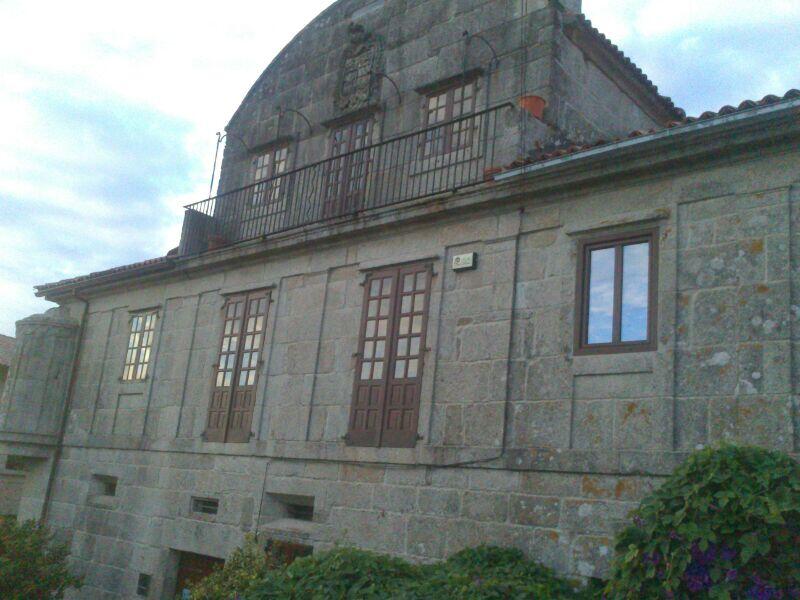
A baroque-style Pazo with a pair of defensive sentry boxes, one on each corner of the main front, and with an upper floor finished in the shape of an arch with a large balcony
- Image

This is an ideal route for walking through the countryside and along the river, and finding out about the mills, enjoying the beauty of the vegetation, the countryside and the moving waterValuable ethnographic complex of 5 mills located in Sabucedo. The “Serra do Mestre” (Maste…
- Image
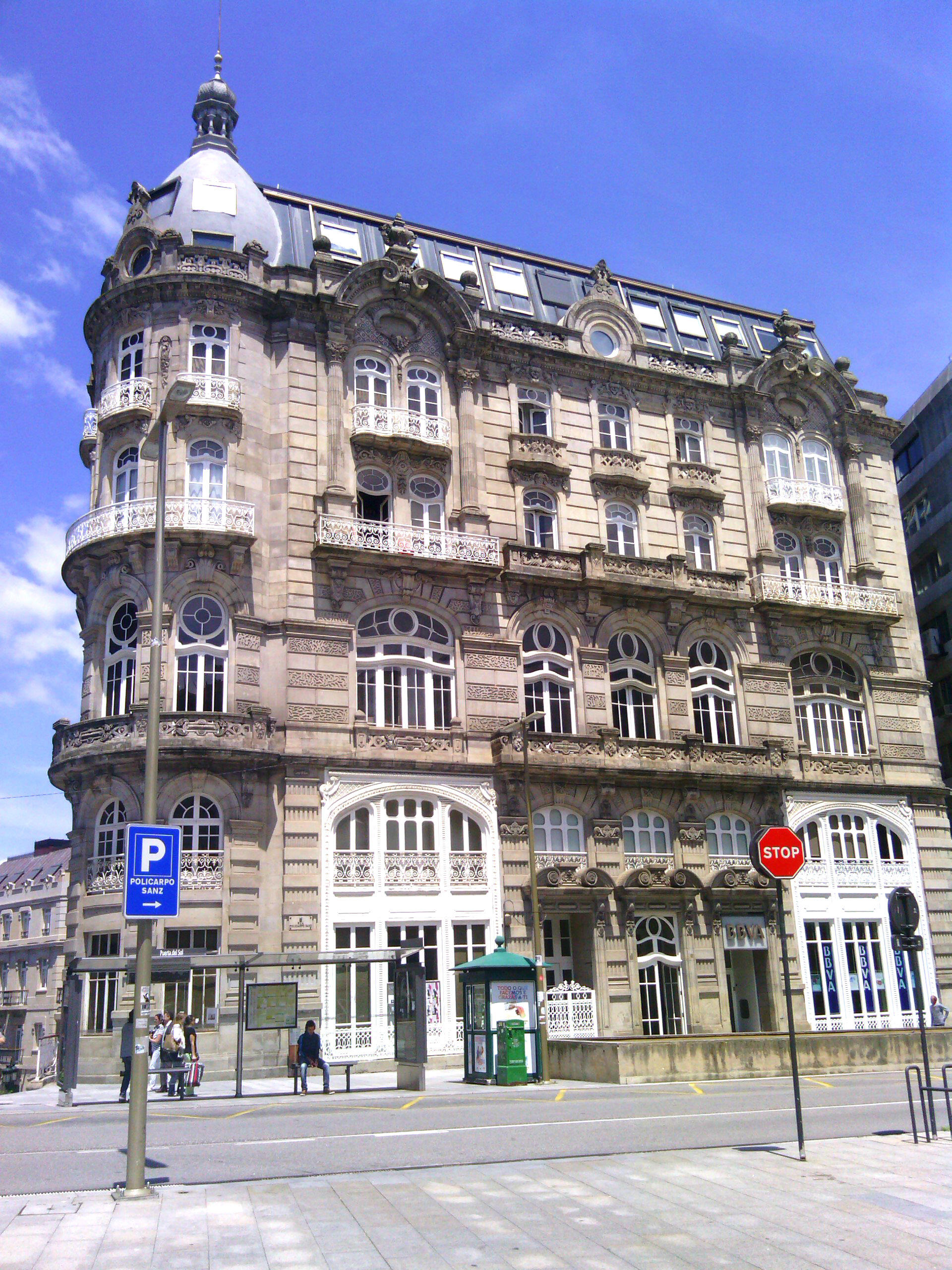
It is one of Michel Pacewicz’s most emblematic works and representations of the 19th century eclecticism in the city. It is commonly known as the hotel El Moderno because it was used as a hotel for a long time. The author's Parisian eclecticism is masterfully mixed in the building with the work of…
- Image
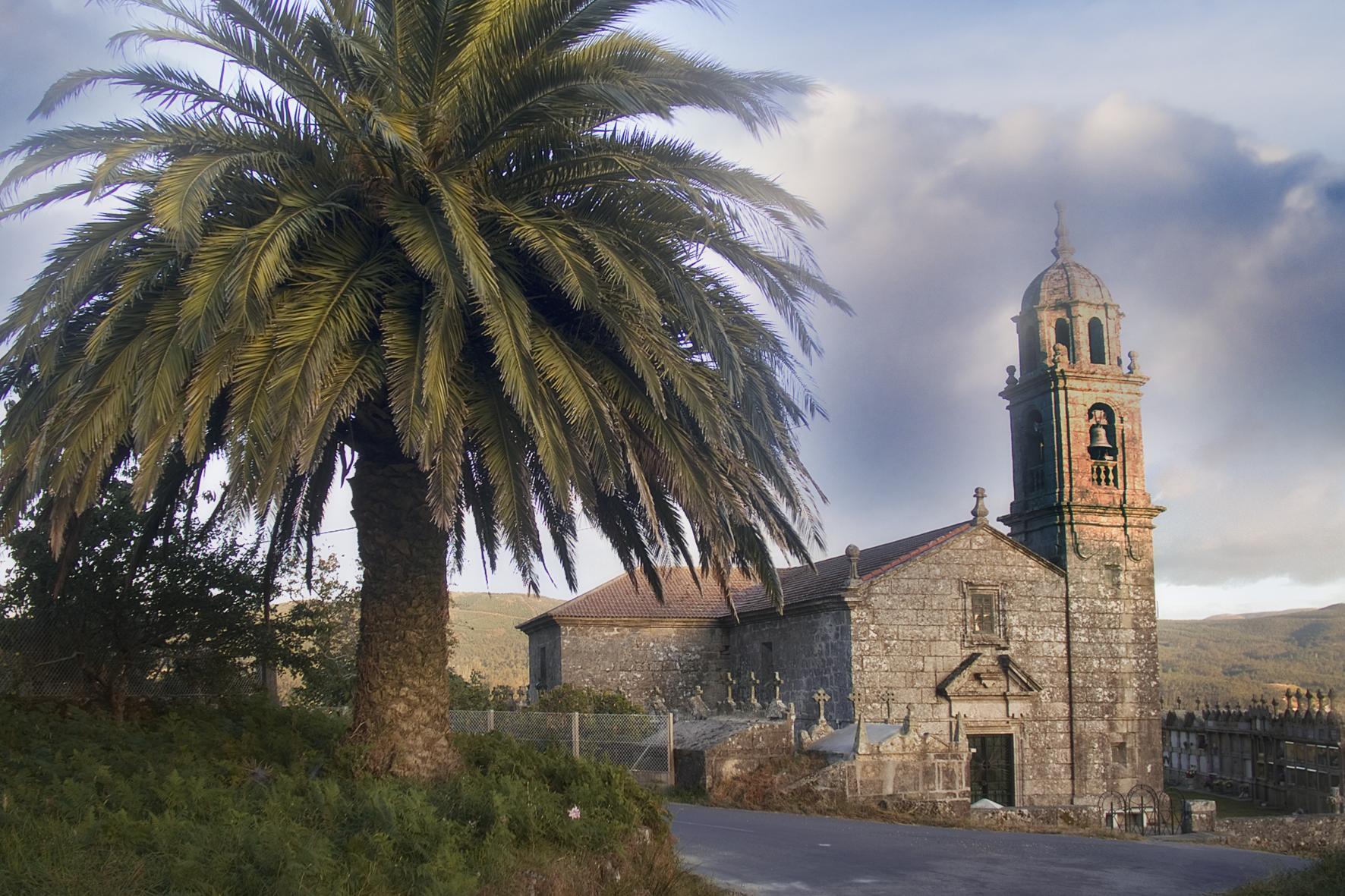
Church with a Latin cross floor plan and side chapels next to the nave. Inside we can see a stone attached to the wall that looks like it was part of a Gothic baldachin. Inside the church there are several images and sculptural remains that date back to the 15th and 16th centuries.
- Image
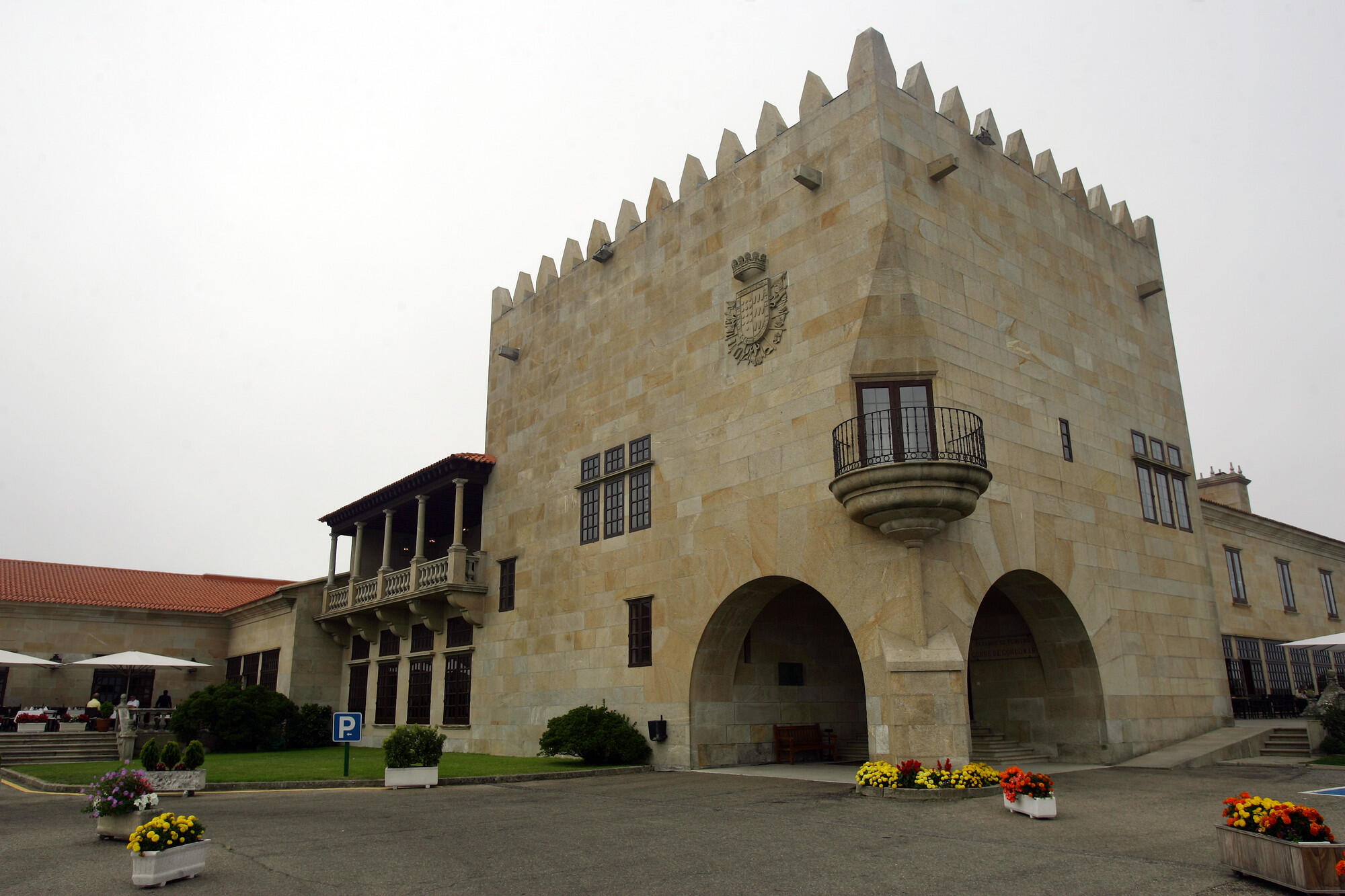
Half Galician pazo (traditional manor house) and half medieval fortress, this building dates back to the 14th century. It occupies an area of 180,000 m² and has 3 km of crenellated walls from the 11th and 17th centuries. It was the private residence of the Count of Gondomar in the 18th century. The…
- Image
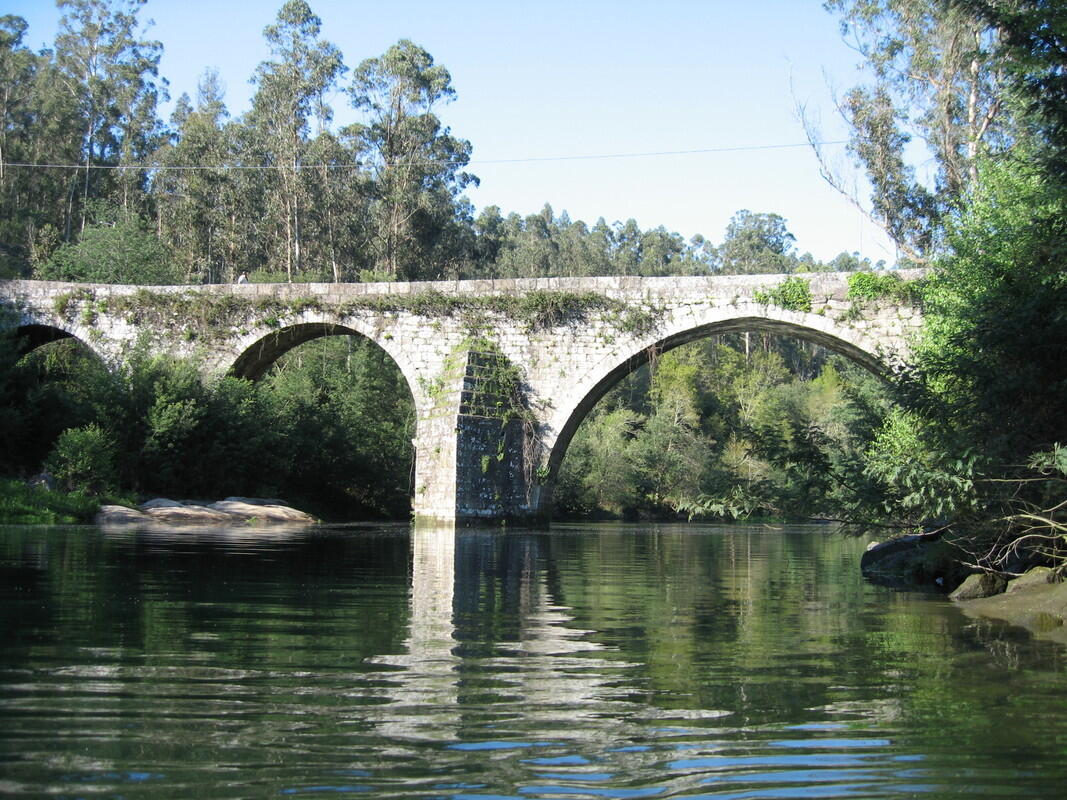
The medieval bridge of Comboa dates back to the 13th and 14th centuries and is situated over the Verdugo River in Soutomaior. It has three semicircular arches of different sizes and is supported by buttresses. It was built to connect the neighbourhoods of Romariz and Comboa in the parish of San Salv…
- Image
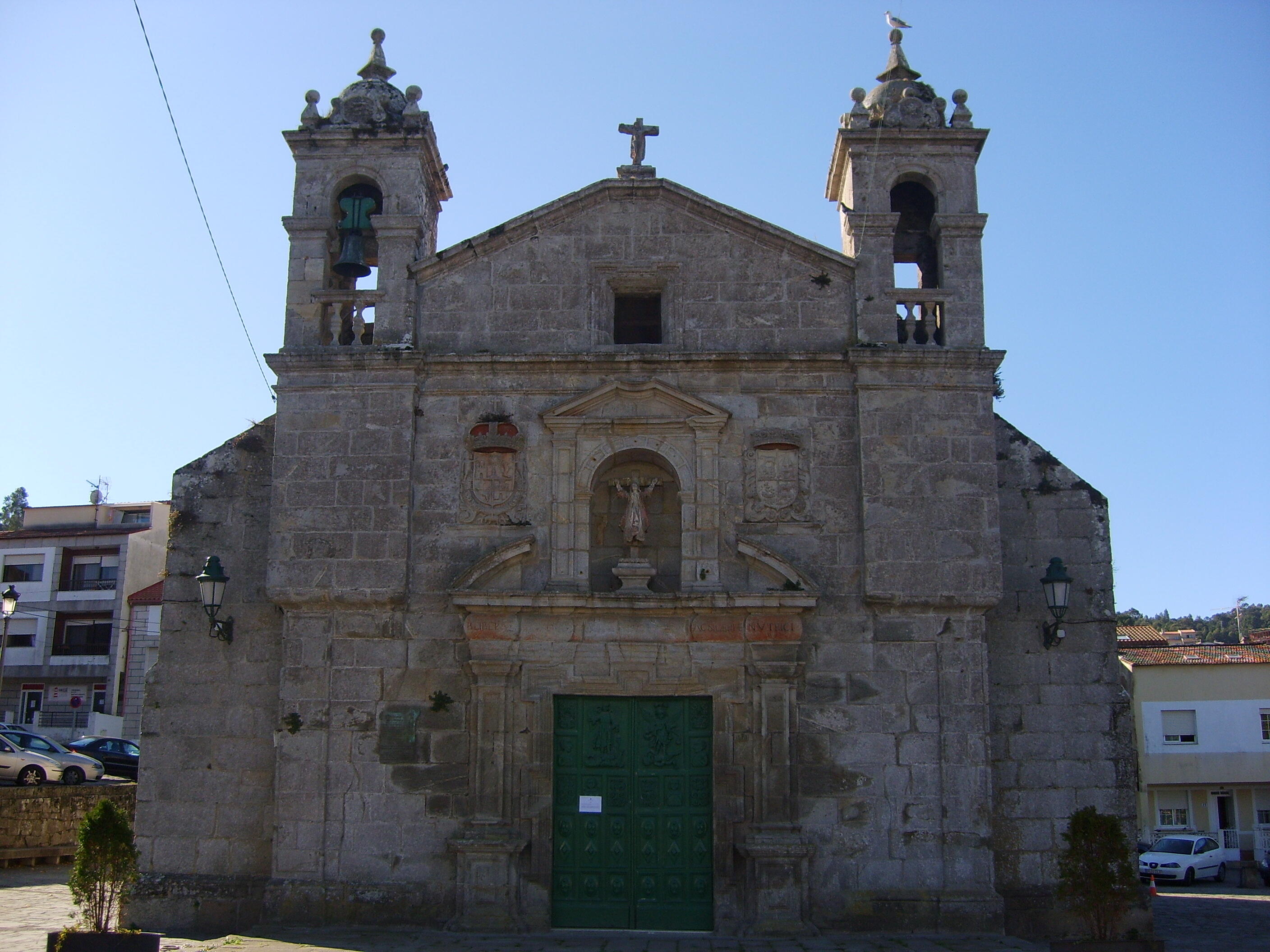
This chapel was built in honour of Saint Wilgefortis, daughter of Baiona, who was a martyr and in 139 became the first woman to be crucified. It was built in the Italian Plateresque style. Construction began in 1695 and was funded by the people so that her remains could be laid to rest there. The fa…
- Image
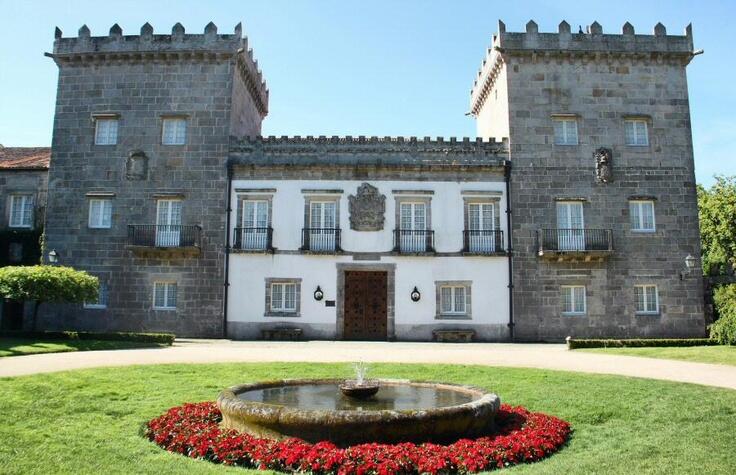
This site dates back to the former Pazo de Lavandeira in 1670. It was owned by the Tabares family until the 18th century, when it passed down to the Montenegros, and in the early 19th century it was inherited by María de los Milagros Elduayen, the 8th Marchioness of Valladares, who was married to Fe…
- Image

This circular route starts from the river beach of A Calzada and runs alongside the Verdugo River and the natural landscape, including several ethnographic elements like bridges and mills. Visiting Ponte Caldelas is an opportunity to get in touch with nature and enjoy one of the best trails of the G…
- Image

The Ulla River flows for 130 km through a traditional Galician landscape with fields, footpaths and some pazos (traditional manor houses), such as Santa Cruz de Rivadulla or Oca (boasting impressive gardens). There are several historically significant bridges on this route, which offer views of the…