DISCOVER
Camino Portugués por la costa


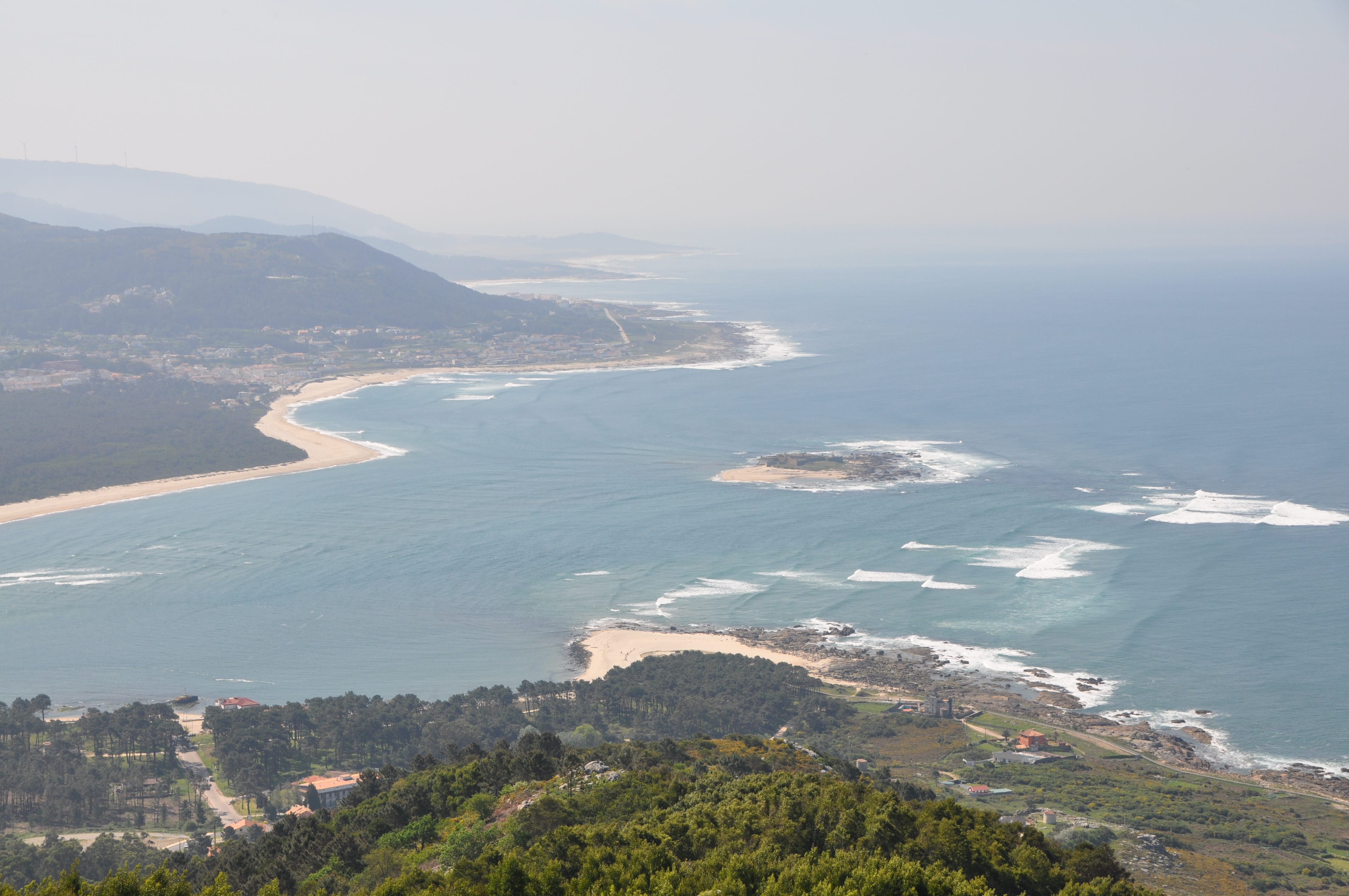
Pilgrimage to Santiago de Compostela began around the year 950 with a bishop in the French city of Le Puy. The Camino de Santiago (‘the Way of Saint James’) is not a single trail, but rather many alternative routes, among them the Portuguese Coastal Route. It was officially re-established in 2010, as it was the most used by pilgrims from the westernmost points and those arriving at Portuguese ports for the pilgrimage.
Nearest city:
Pontevedra
Know more


Rate this resource
- Image
- Image
- Image
- Image
- Image
- Image

Figures of protection
Bien de Interés Cultural (BIC)
Property included in the Galician Cultural Heritage Catalogue.
Start of the journey
Parte desde Oporto (Portugal) y entra en la provincia de Pontevedra por A Guarda
End of the journey
Santiago de Compostela
Duration
6 dias
Total length of the Road (km)
280km en total, de los que 140km recorren la provincia de Pontevedra
Recommended number of stages
6
Complementary trace
Camino Portugués
Landscape interest of the surroundings
Elevated
Description of the environment
Maritime
Points of interest
Monte de Santa Trega y el centro histórico de A Guarda
Muiños de Picón e Folón en O Rosal
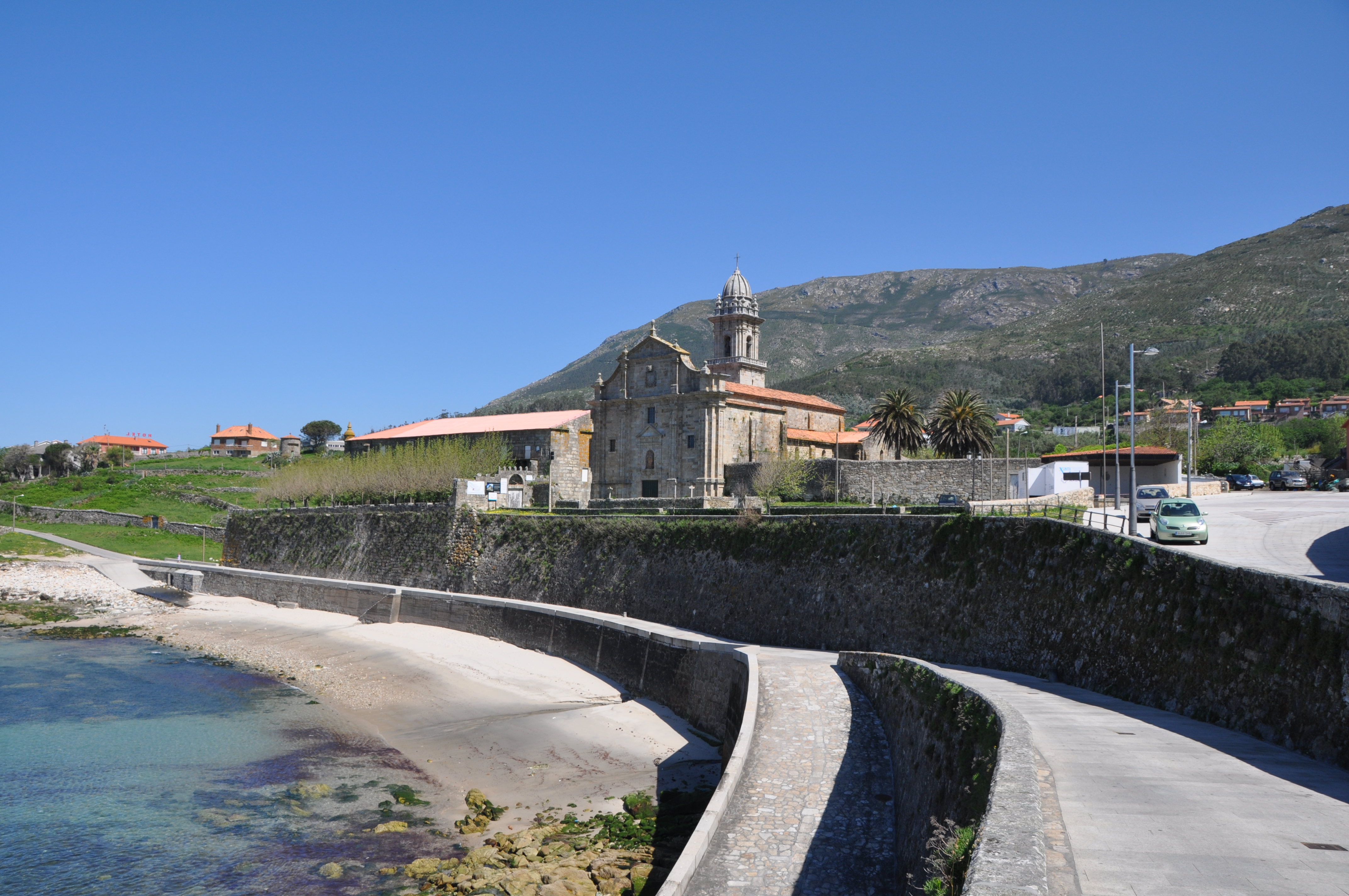
El núcleo del Arrabal y el Monasterio cisterciense de Santa María de Oia
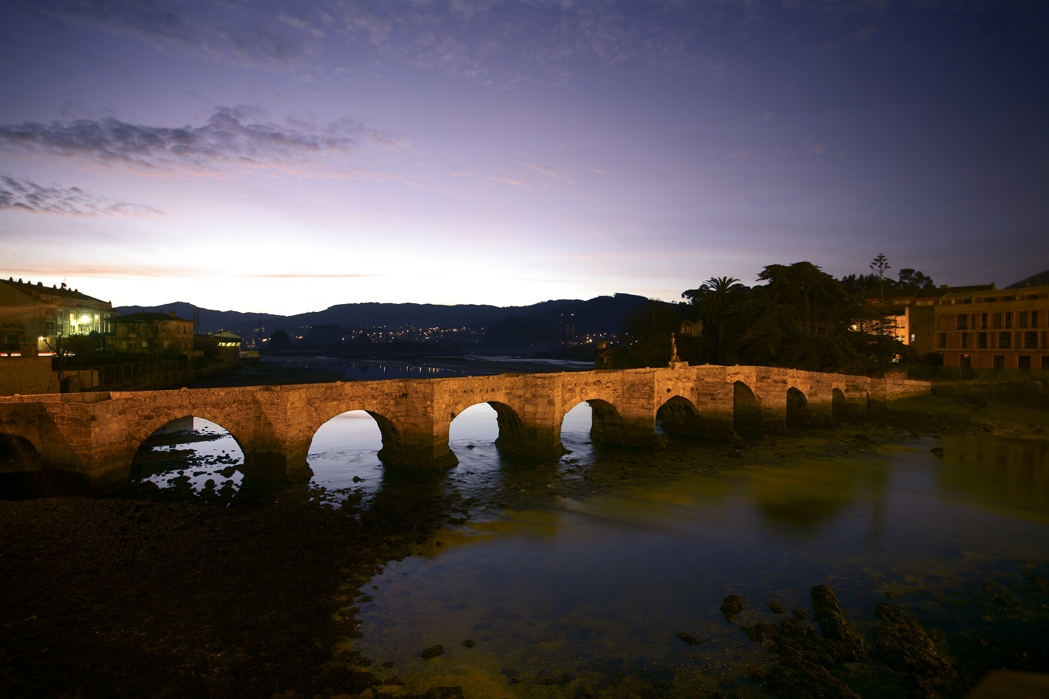
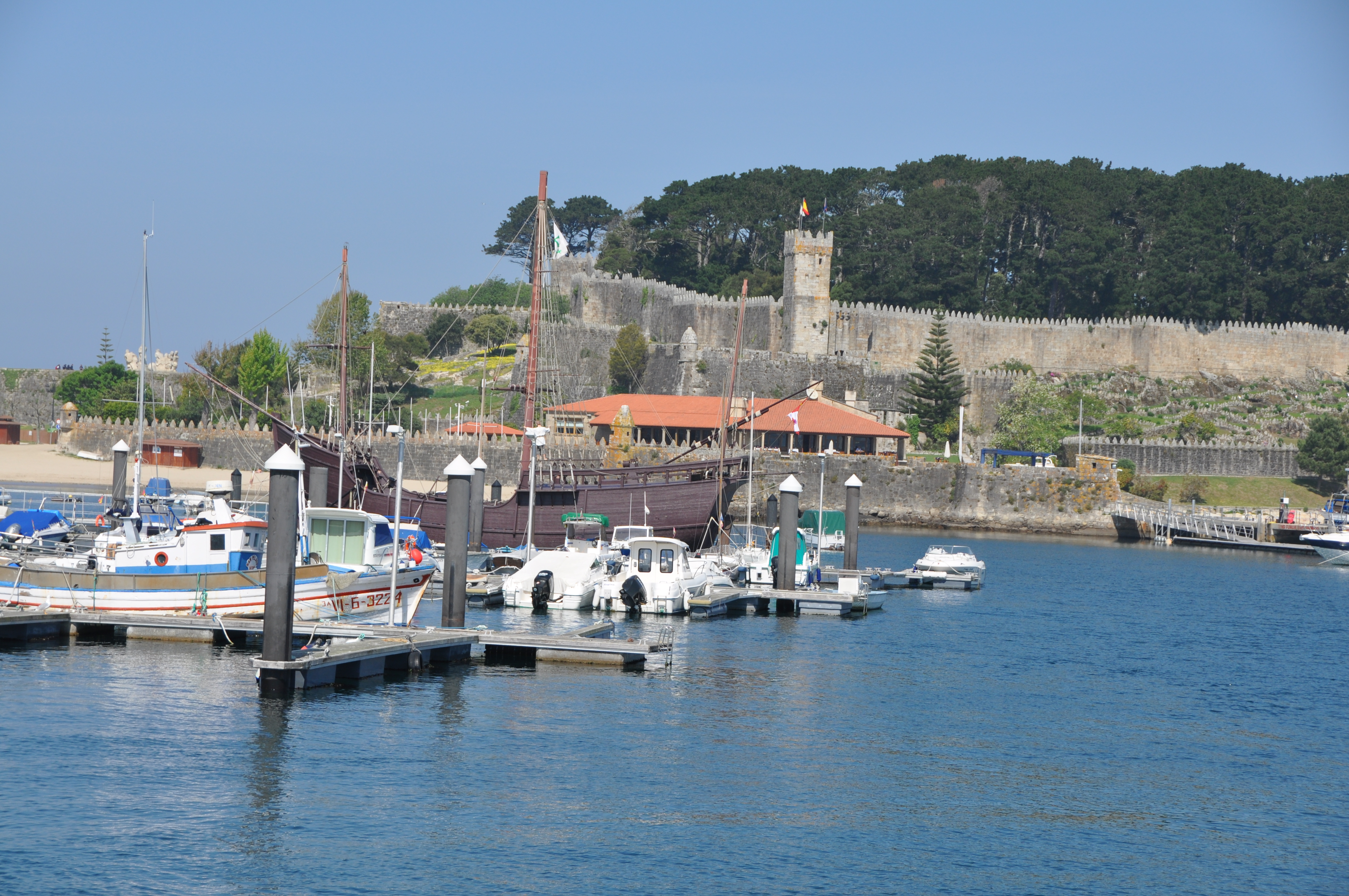
Conjunto histórico artístico de Baiona y el puente románico de A Ramallosa
Pazo de Pías, Arrabadeira, Abacial y Cea en Nigrán
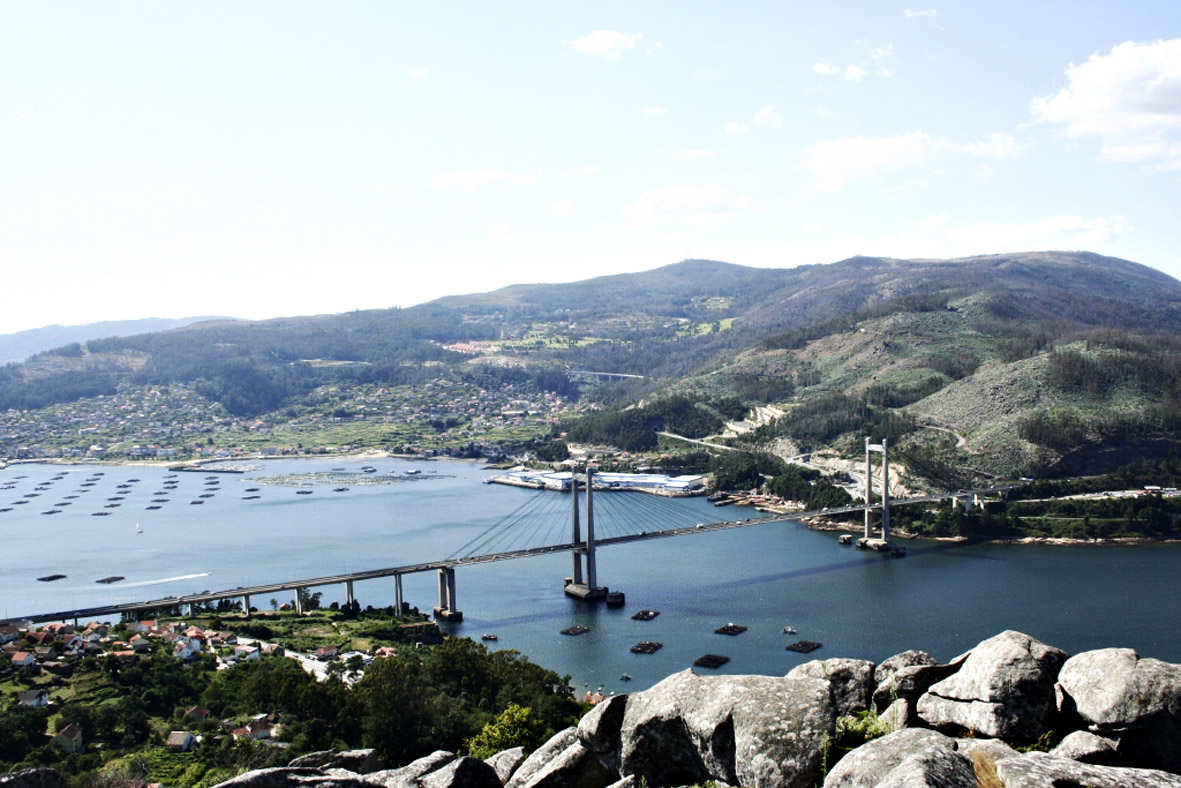
Conjunto histórico Artístico de Vigo, Pazo Quiñones de León y la Ría de Vigo con las islas Cíes al fondo
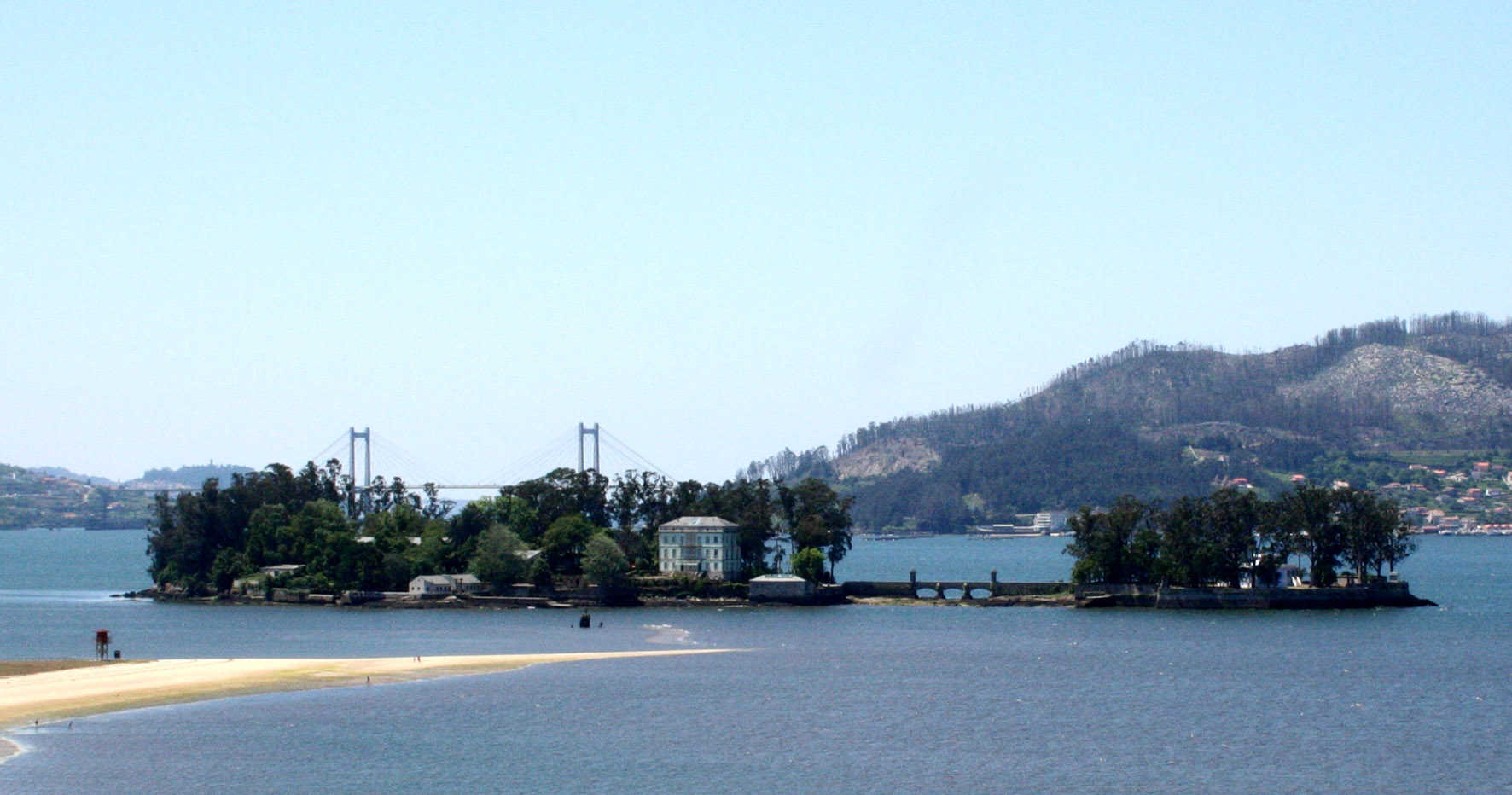
Ensenada y la isla de San Simón
Castillo de Soutomaior
Salinas de Ulló y la Capilla de Santa Marta en Vilaboa
Muiños de Picón e Folón en O Rosal
El núcleo del Arrabal y el Monasterio cisterciense de Santa María de Oia
Conjunto histórico artístico de Baiona y el puente románico de A Ramallosa
Pazo de Pías, Arrabadeira, Abacial y Cea en Nigrán
Conjunto histórico Artístico de Vigo, Pazo Quiñones de León y la Ría de Vigo con las islas Cíes al fondo
Ensenada y la isla de San Simón
Castillo de Soutomaior
Salinas de Ulló y la Capilla de Santa Marta en Vilaboa
Signage
Adequate
Difficulty
Medium
Itinerary (M.I.D.E.)
2
Displacement (M.I.D.E.)
3
Effort (M.I.D.E.)
1
Medium (M.I.D.E.)
3
State of conservation
Good
Fun facts
Aunque se trata de una ruta de peregrinación milenaria especialmente atractiva, fue reconocida oficialmente como Ruta Jacobea en el año 2010.